

Stone wool production
Man made stone wool is used for applications such as insulation, noise reduction and horticultural growing medium. In horticulture, plants are grown on various stone wool based products such as propagation plugs, propagation blocks and cultivation slabs. For tomato, seeds are sown in plugs, after some days transplanted in blocks and blocks and plugs are later planted on slabs (Figure 1).
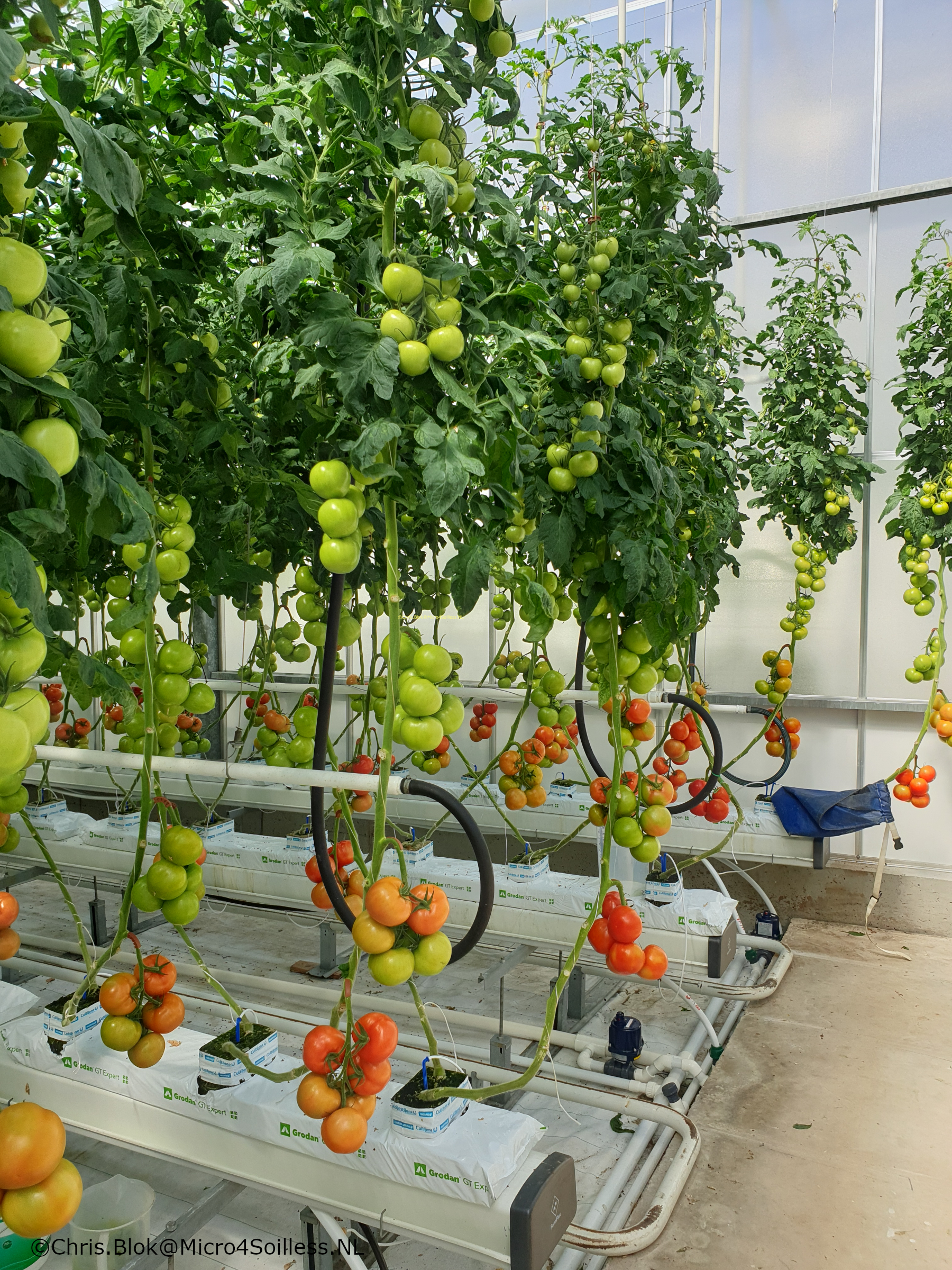
Figure 1: Tomato crop growing in stone wool slabs (133x20x7.5 cm). In this Figure there are three propagation blocks on each slab, each block carrying two tomato plants.
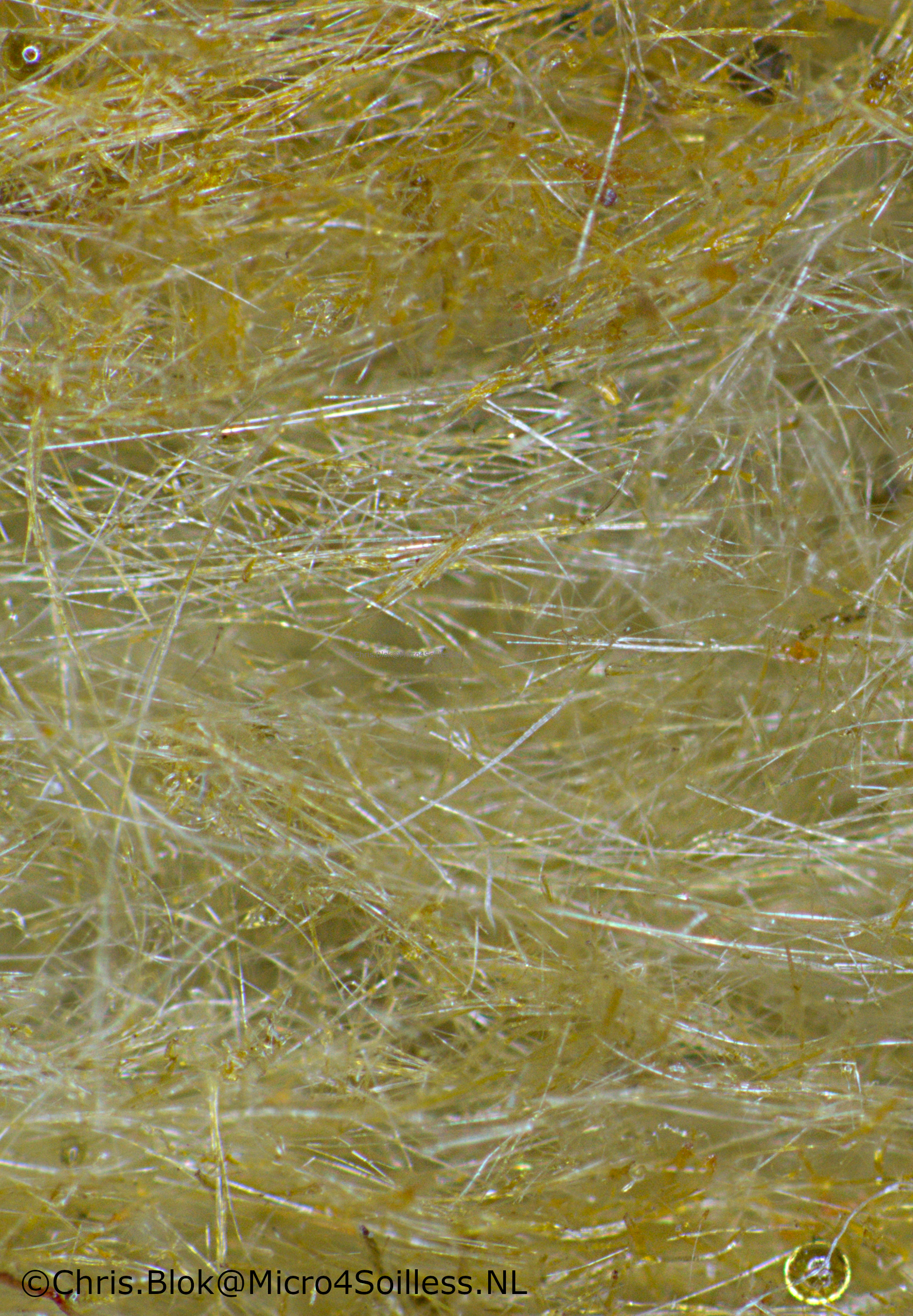
Figure 2: View of a stone wool slab (showing 3×1 cm). Fibre direction predominantly horizontal.
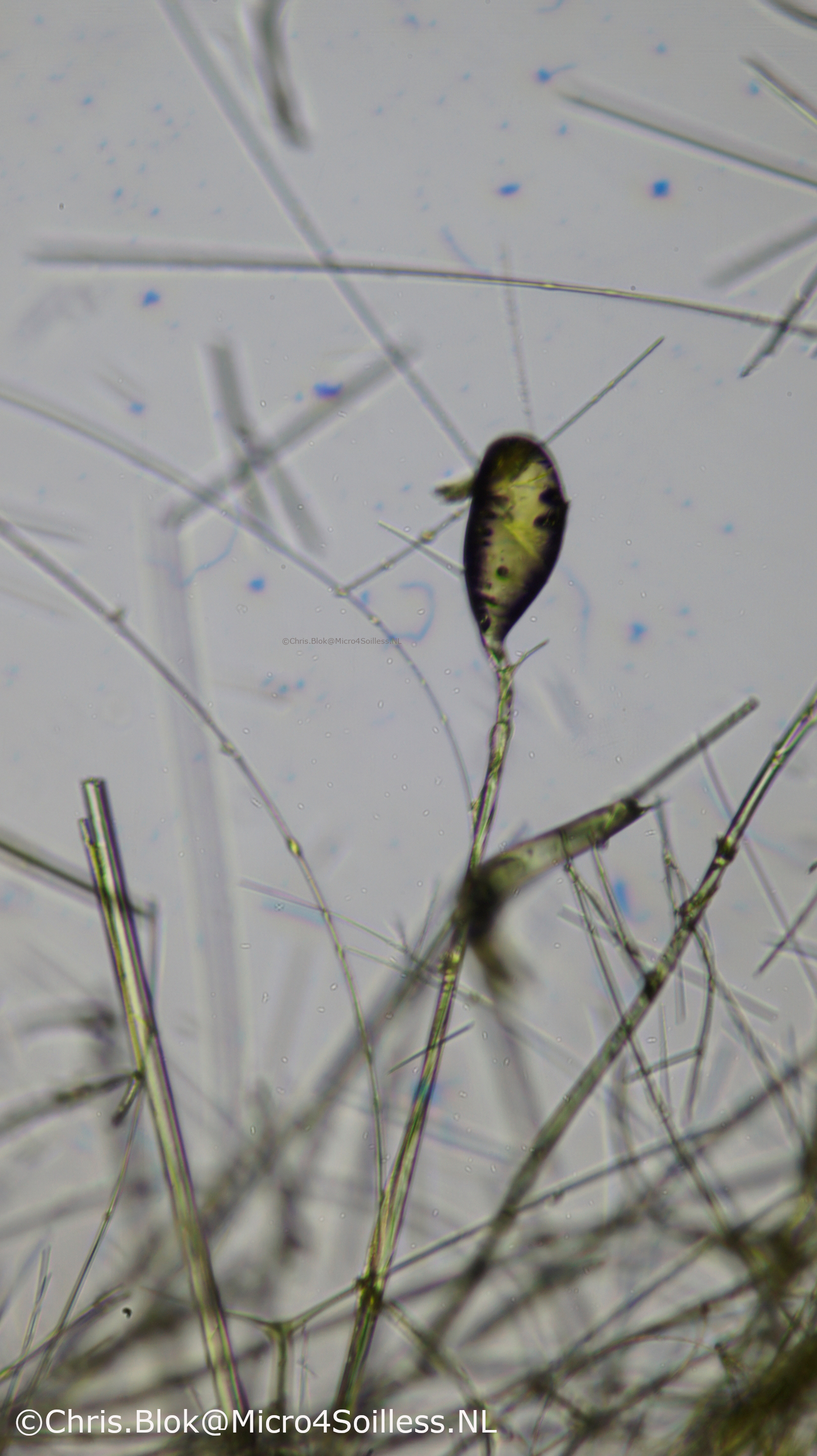
Figure 3: Individual stone wool fibres (1-3 micrometre). One stone droplet still attached to a fibre.
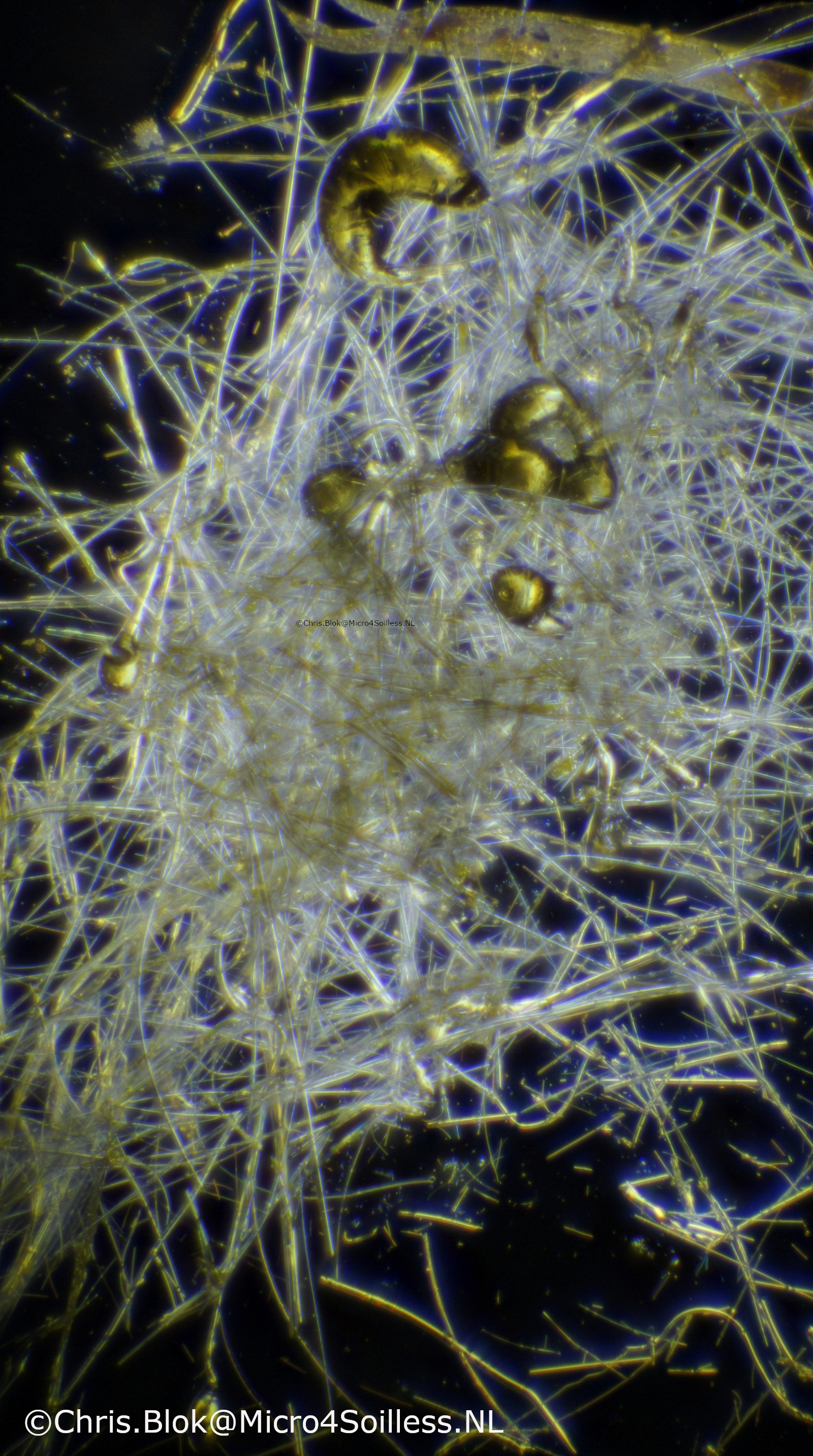
Figure 4: Darkfield picture of stone wool fibres and some stone droplets (50-100 micrometre).
The stone wool itself is produced in industrial factories by melting a mix of basaltic rock sources of calcium, magnesium and potassium, like slag, dolomite or calcium enriched recycled stone wool. The addition of calcium, magnesium and potassium reduces the melting temperature from about 1800 degrees to around 1500 degrees Celsius. It also helps to create a melt of the proper fluidity. Various types of blast furnace may be used. Cokes and oxygen can deliver the required energy, but also gas or electricity can be used. The melt is literally red hot and emits light and heat.
The melt is then poured over a constellation of fast rotating broad discs or drums, called spinning wheels. Because of the acceleration on the spinning wheels, the melt is thrown off as a spray of droplets. Each droplet is meant to draw a long tail of immediately solidified rock. These tails are the actual fibres which make up most of the stone wool. About 20-40% of the mass still consists of droplets / fibre heads, called “shot”. Figures 2-4 show the wide range in fibre diameter (0.5-10 micrometre, mostly 3-5 micrometre) and the wide range in shot particles (10-1000 micrometre). Note also how most but not all fibres are straight (Figure 4).
The droplets leaving the spinning wheels, float in a large metal room in which air is blown to transport the fibres away from the wheel. At the same time nozzles add a binder (some kind of glue, Figure 6) and sometimes a tenside (some kind of soap). The binder is a sticky material meant to bind fibres together. The binder only solidifies later in the process. The amount of binder is usually about 2-3% by weight in the end product. The tenside is added to make sure the end product is homogeneously water absorbent. The amount is less than 0.1% by weight of the end product. Thus flakes of more or less adherent slightly sticky fibres are gathered on a wide conveyer belt at the bottom of the spinning chamber. The conveyor belt moves the fibres out of the chamber as a single sheet, which is already cool enough to touch.
Just outside of the spinning chamber the sheet is moved a few meters vertically while the supporting belt is moving back and forth, like a gigantic pendulum. This results in the sheet being folded over itself on a second conveyor band system which moves perpendicular to the conveyor belt out of the spinning chamber. This means the first sheet is folded tile wise over itself. The speed ratio of the first and second conveyors determines how many folds lie on top of each other which determines the thickness of the secondary sheet. The whole mass is still sticky and wet to the touch.
This secondary sheet is now approaching a long, usually gas heated, oven. The purpose of this oven is to cure the binder. But before entering several important technological steps are possible:
- Fist the sheet is now compressed between two heavy conveyor belts, one below and one on top of the secondary sheet. In this way specified dimension and densities can be produced.
A second possibility is to run these belts with different speeds. By doing this, the stone wool creases (Figure 5). This disrupts the predominant orientation of the fibres, which makes the later product more homogenous in water uptake, reduces predominant direction of root growth and ensures resistance to deformation is equal in all directions to facilitate machine handling.
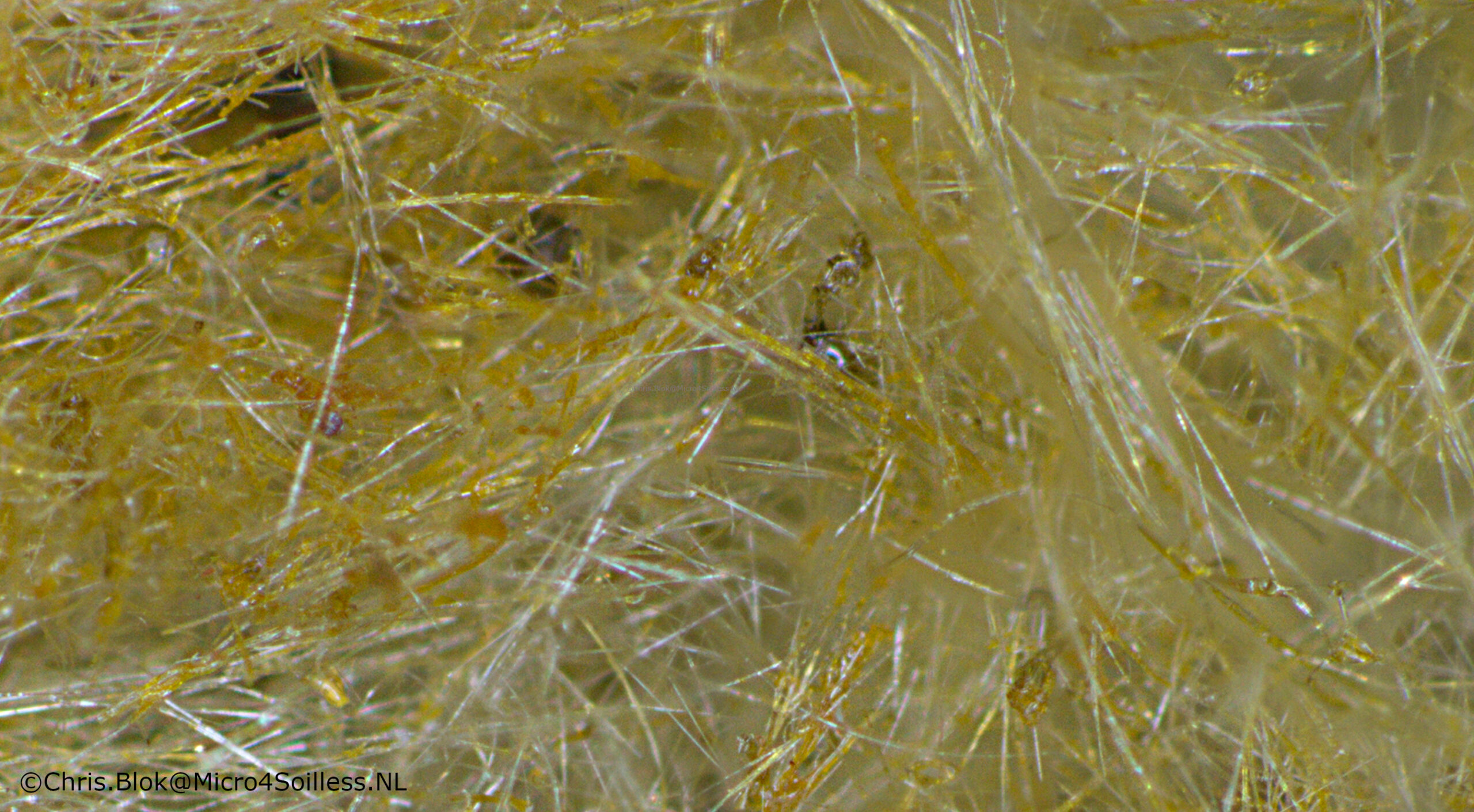
Figure 5: Stone wool mass, yellowish in places with more binder. Bottom part creased.
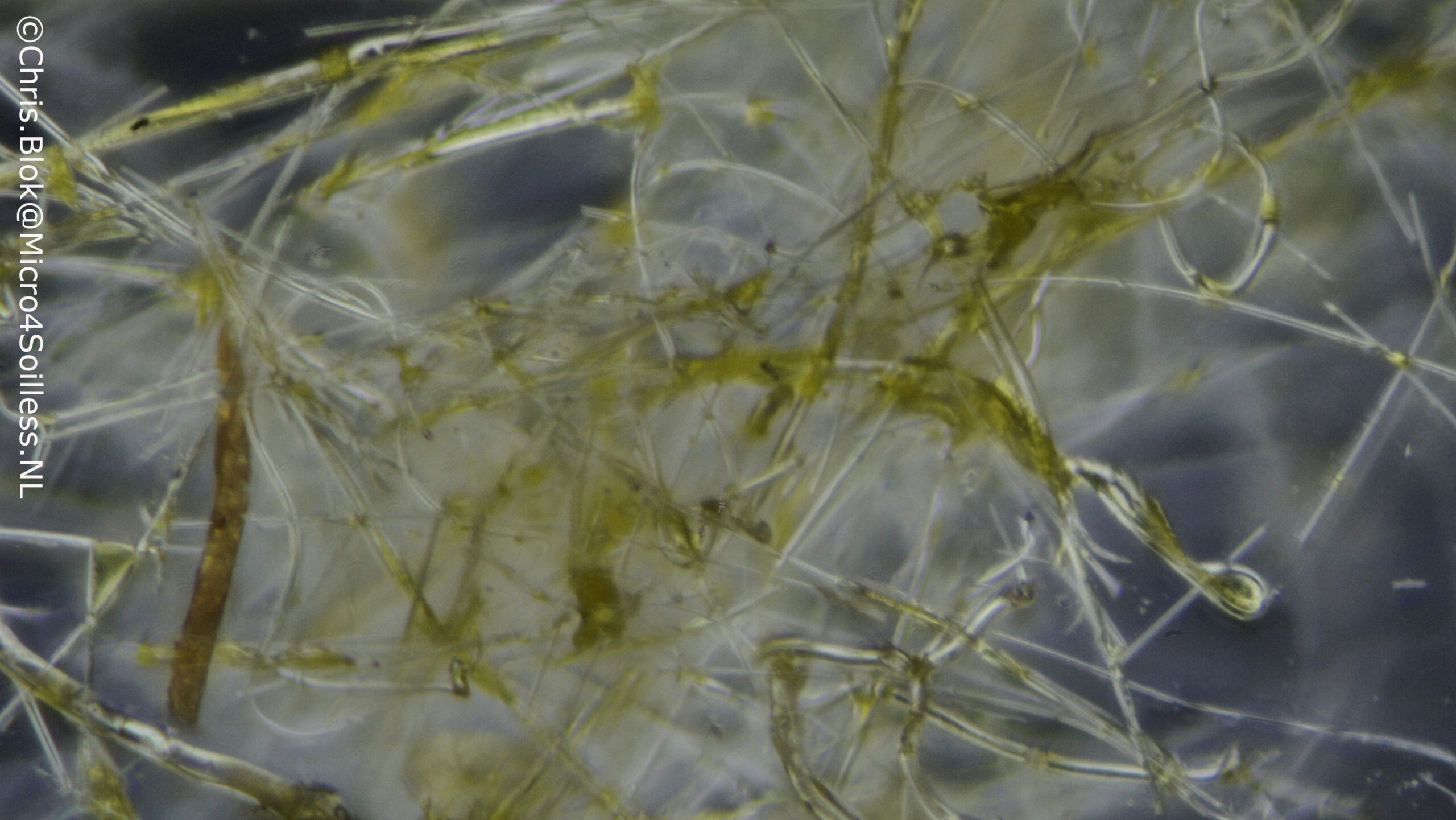
Figure 6: Stone wool mass clotted together by an organic binder (yellowish parts).
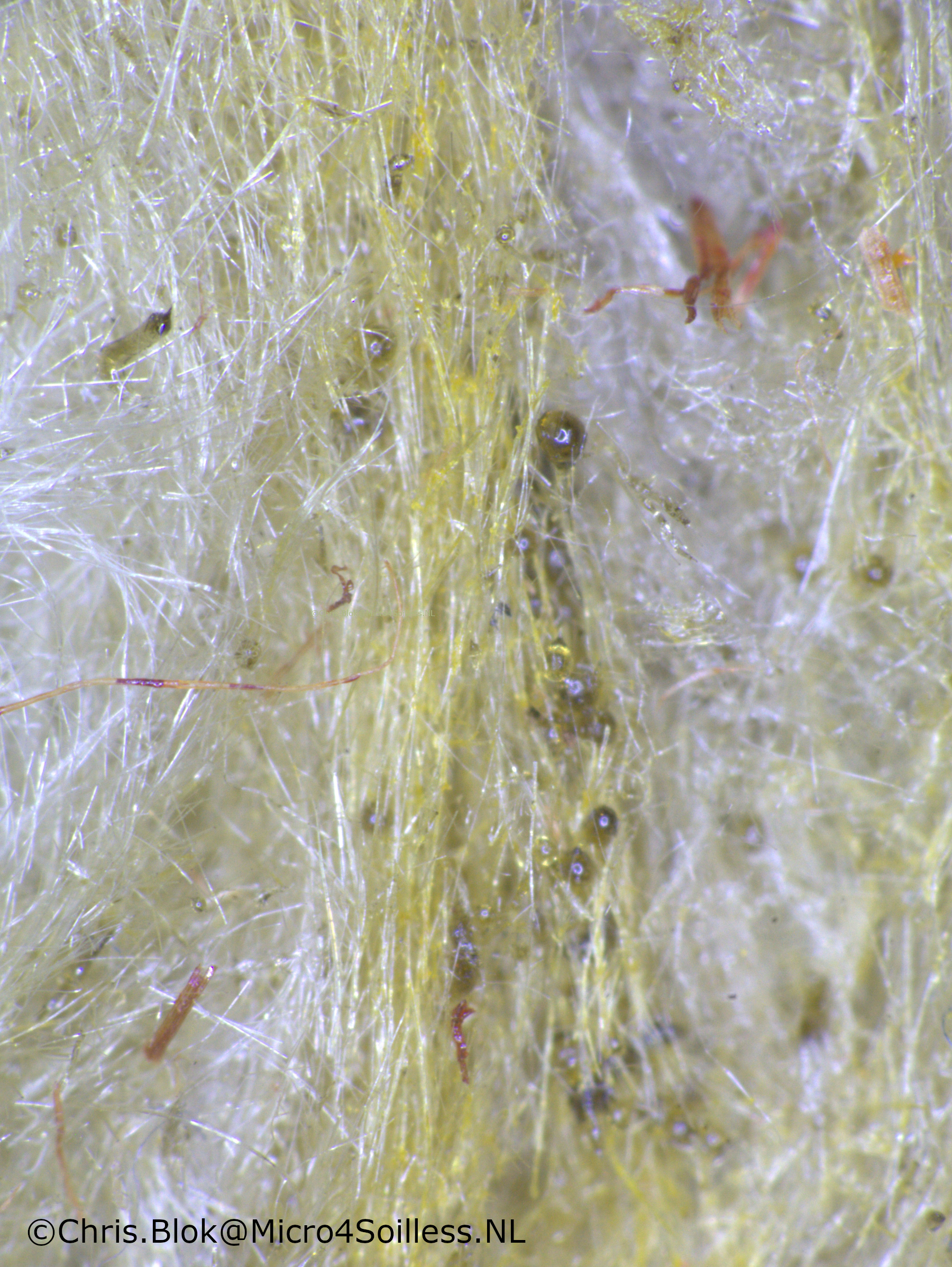
Figure 7: Band of bound stone wool in between two bands of stone wool fibre without binder.
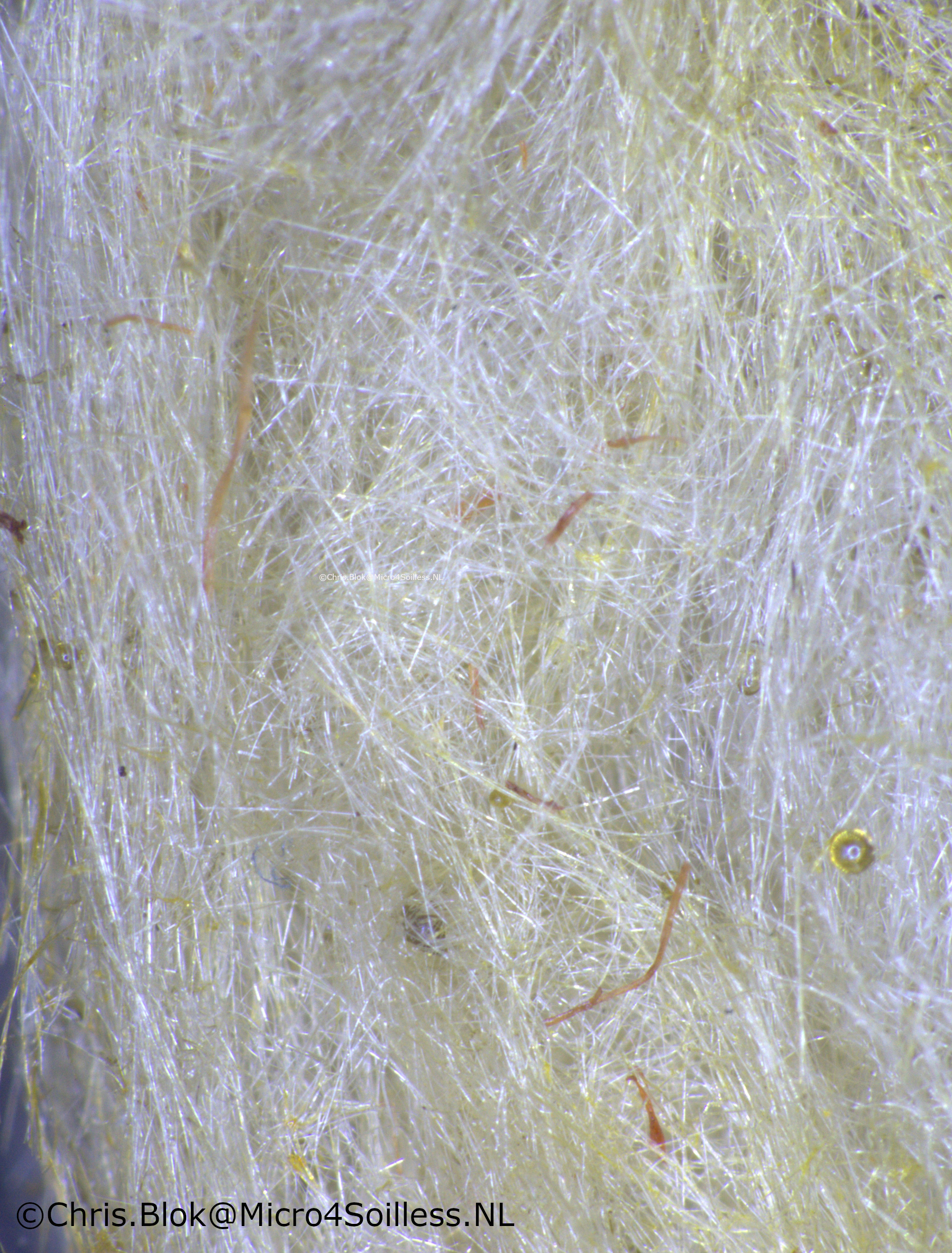
Figure 8: Stone wool with very little binder is white.
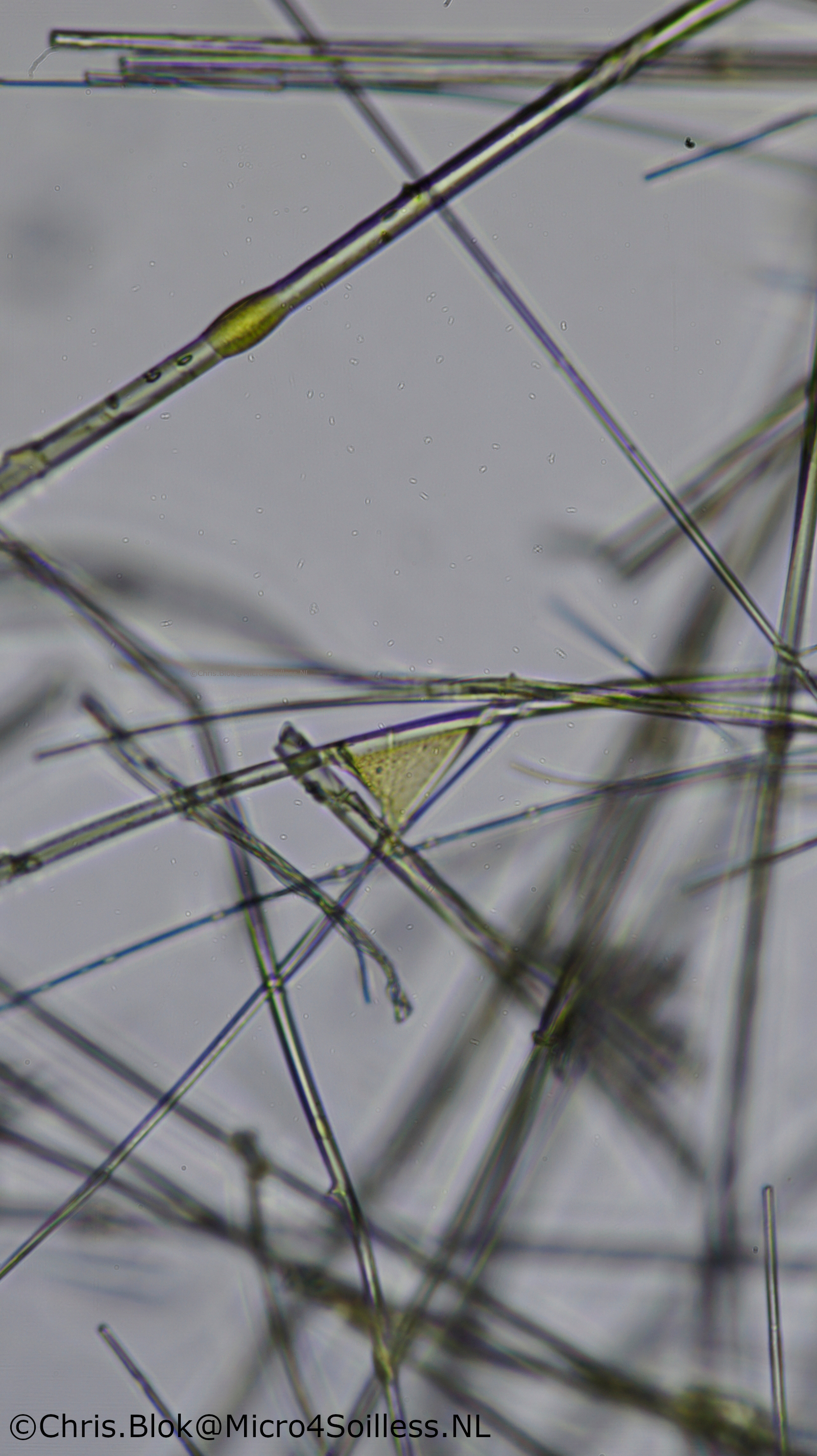
Figure 9: Single fibre with droplet of binder (top) and a web of binder in between fibres (middle).
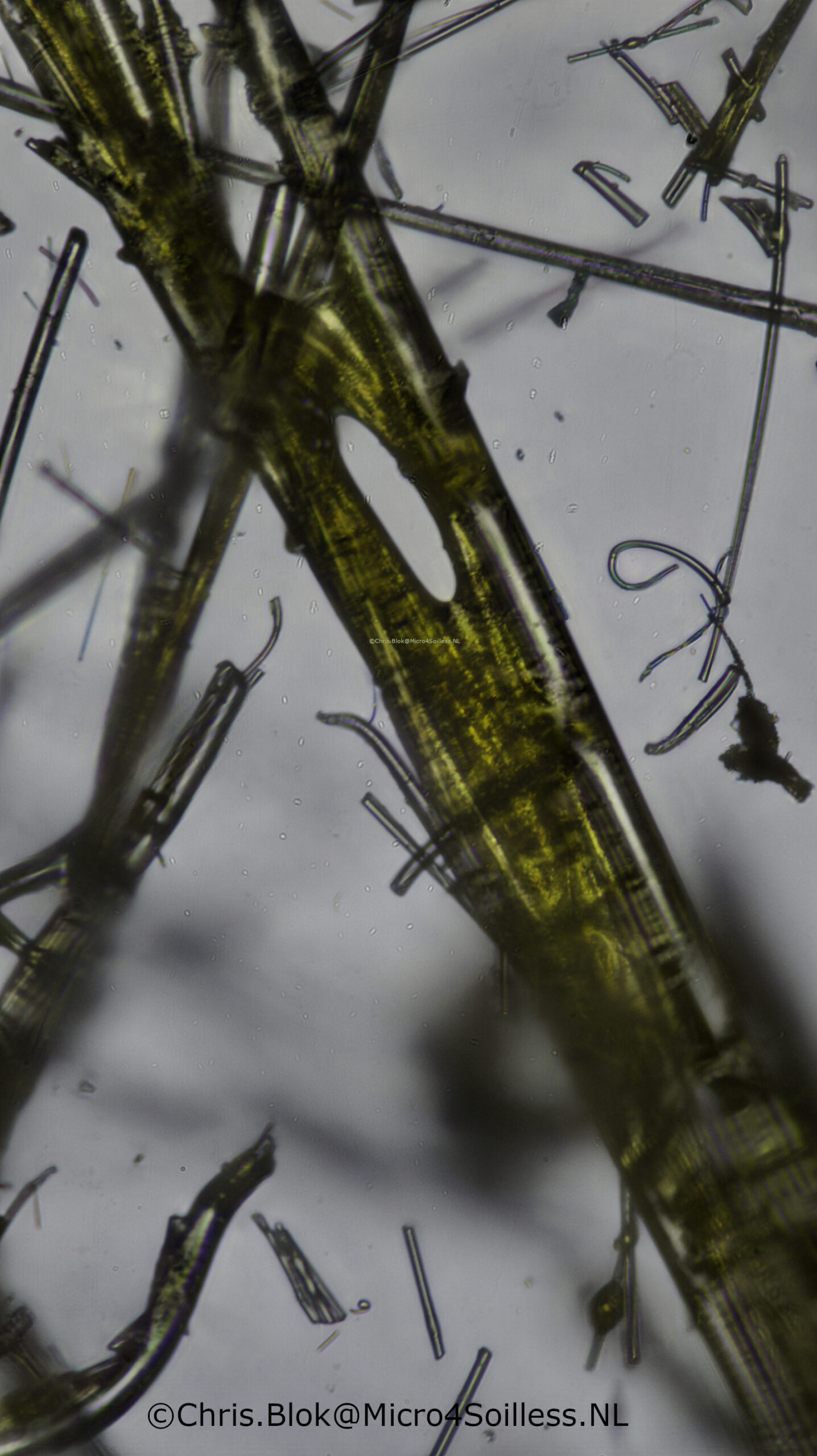
Figure 10: Fibres bound together in parallel by quite enough binder.
The secondary sheet now enters a long usually gas heated oven operating at 150-250 degrees Celsius. To make sure all parts are efficiently heated, the hot air is pushed through the layer vertically by powerful fans. This also results in uneven heating and transport of non-solidified binder and tenside, so the direction of the air movement is changed several times from top to bottom and vice versa. During the heat treatment the binder solidifies after which the material can no longer be bent or compressed without damaging the structure.
Because the distribution of the binder in the stone wool is rather poor, this is visible in the end product as white patches without binder and with yellow/brownish patches with binder (Figures 7-8). Within the patches with binder, one can find subtle and mass effective binding of two or more fibres (Figure 9) or more wasteful binding (Figure 10 and Figure 6).
Once the secondary sheet leaves the curing oven, it can be cut in various shapes for different applications. Any parts not used, including debris of cutting can be granulated and be blown back into the process in the primary sheet.
To produce a ton of stone wool, a lot of energy is required (15 GJ/ton). About 80% of this energy is needed to melt the material, and about 20% is used to cure the binder. Supposing the final product weighs about 75 kg/m3, and about 10 l/m2 is used for tomato cultivation, it follows (15/(1000/75) = 1.125 GJ/m3, becomes 11.25 MJ/m2. This is roughly 0.4 m3 of natural gas/m2. For comparison: the annual use of gas in Dutch horticulture in 2022 was 20-30 m3/m2.
Data may be found in Ecofys, 2009. Methodology for the free allocation of emission allowances in the EU ETS post 2012. EU Sector report for the mineral wool industry.
When cutting rockwool small parts of the fibres are released into the air. This dust is as much as possible caught with air extractors. Still the levels in the factory are elevated. Research showed these fibres at such levels cause neither cancer nor silicosis as they dissolve in the lungs at an acceptable rate (compliant with European Commission Directive 2001/59/EC).