Wood Fibre Production
Applications. Fibered wood is used as insulation, under-carpets (a layer between a normal carpet and a floor) and horticultural growing medium. In horticulture, wood fibre is used as loose fibre to be mixed with various raw materials into a potting soil for container plants (Figure 1). A limited amount is used for propagation plugs, propagation blocks and cultivation slabs (Figure 2).
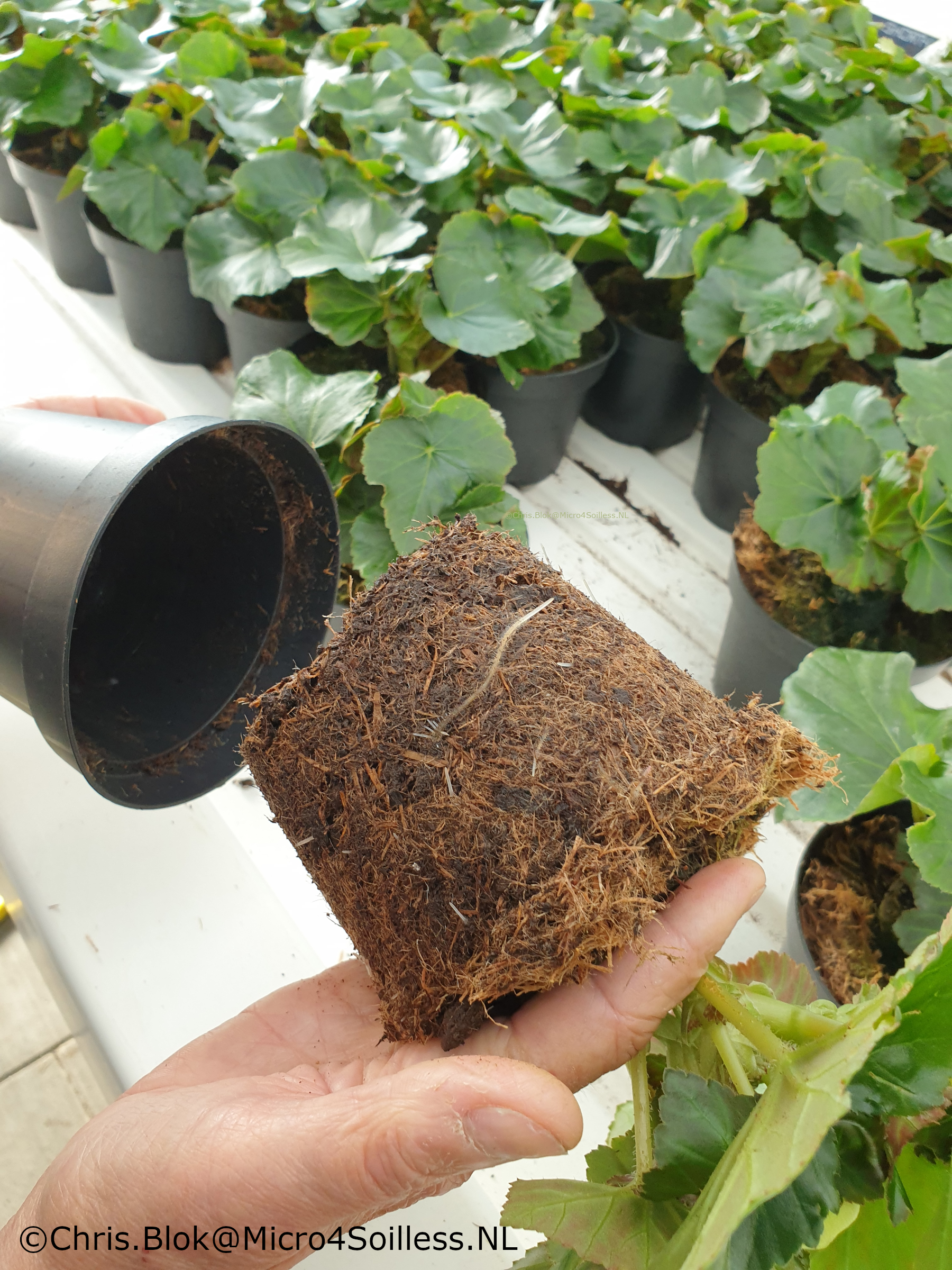
Figure 1: A begonia plant grown on 70% v/v of wood fiber.
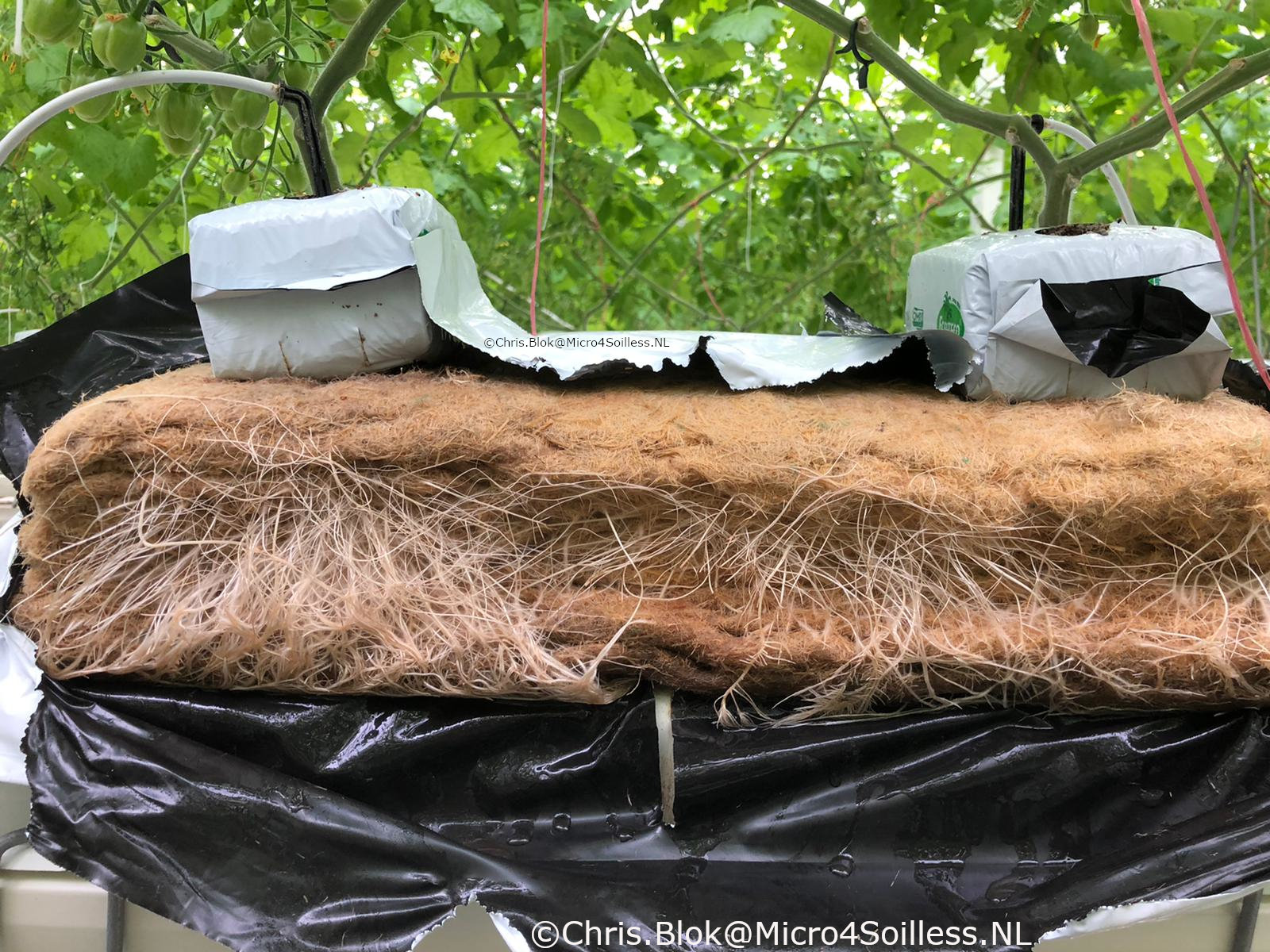
Figure 2: Tomato plants grown a slab of wood fibre (plastic wrapping of black/white foil removed).
Tree species. The choice of wood is usually confined to coniferous wood, predominantly spruce and fir. Reasons mentioned are the lower degradability and the lower phytotoxicity compared to various deciduous wood types. Degradability is generally higher in fast growing species (willow, poplar, birch) than in slow growing species (beech, oak).
Tree parts. The nature of the wood to be used is also of concern as prime quality wood stems are of value as construction wood. Lower quality wood such as smaller branches, crooked stems and shavings and cuttings of processing can still be fiberized. The application is in competition with the creation of fibre boards for building and insulation.
Pre-processing. Phytotoxicity may be reduced by a temperature or composting treatment. A very consequential step is to pre-cook wood material before fiberizing.
Fiberisation. Wood fibre can be produced with a variety of machinery with a wide range of output rates and, consequently, particle dimensions. Fiberization may be done in several steps, first creating a more homogeneous particle size before the final fiberization step. The actual fiberization can be done with a wide array of techniques. A basic difference is between hammer milling and extruders.
Moisture content. A point of concern is the moisture content of the wood to be fiberized. The machinery is sensitive to the moisture content of the feed. To prevent continuous changes in process setting as well as in output quality, the input moisture content is usually kept within tight limits.
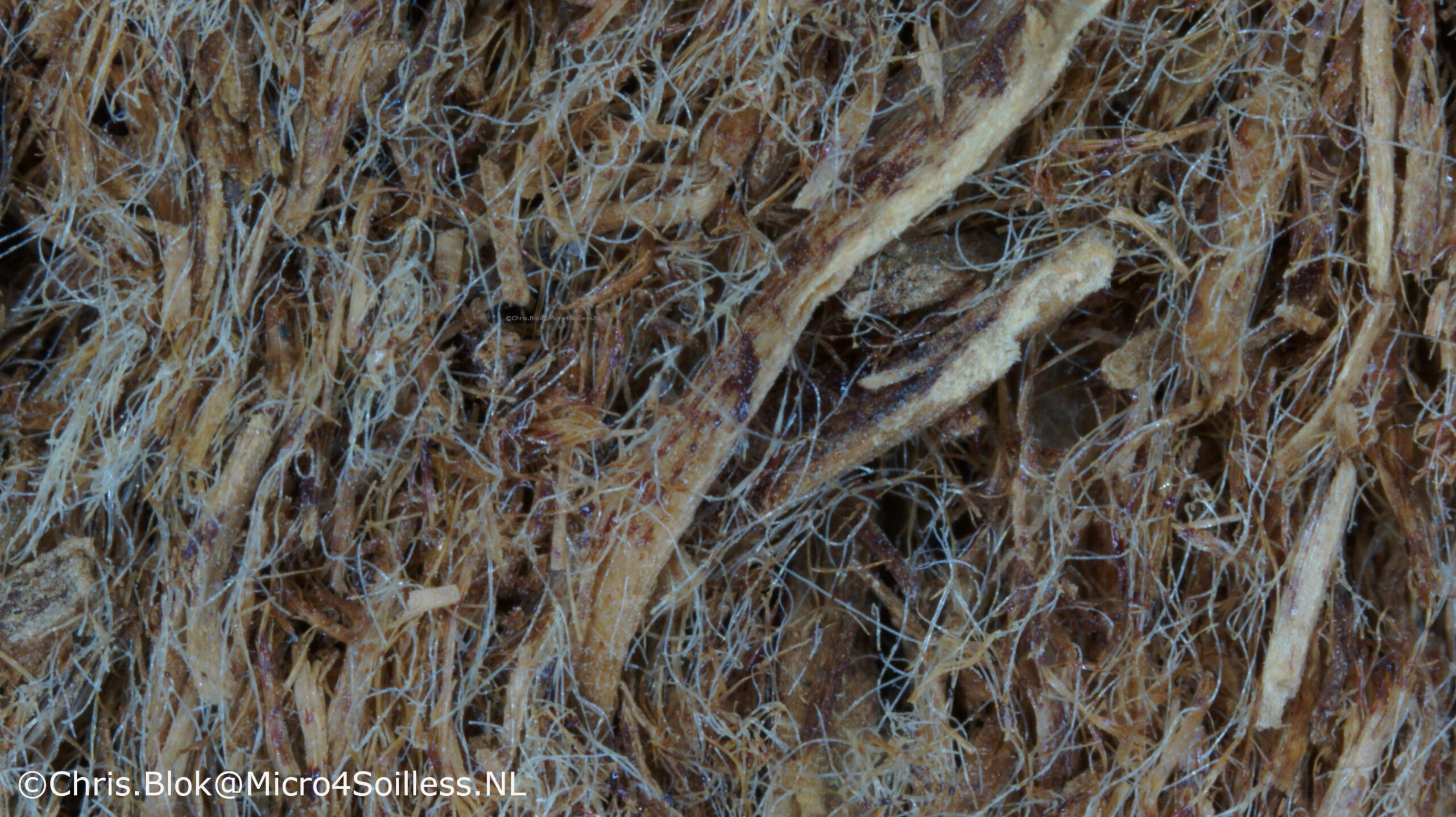
Hammer mils. The hammer mills pound the material into particle with a higher volume to surface area, i.e. the particle are shorter with a larger diameter (Figure 3).
Extrusion mils. In extrusion mils the wood is rubbed between two corrugated plates, resulting in particles with a lower volume to surface area, i.e. longer and thinner particles (Figure 4). Within the extrusion mills there are over a dozen variations depending on movement and surface of the plates.
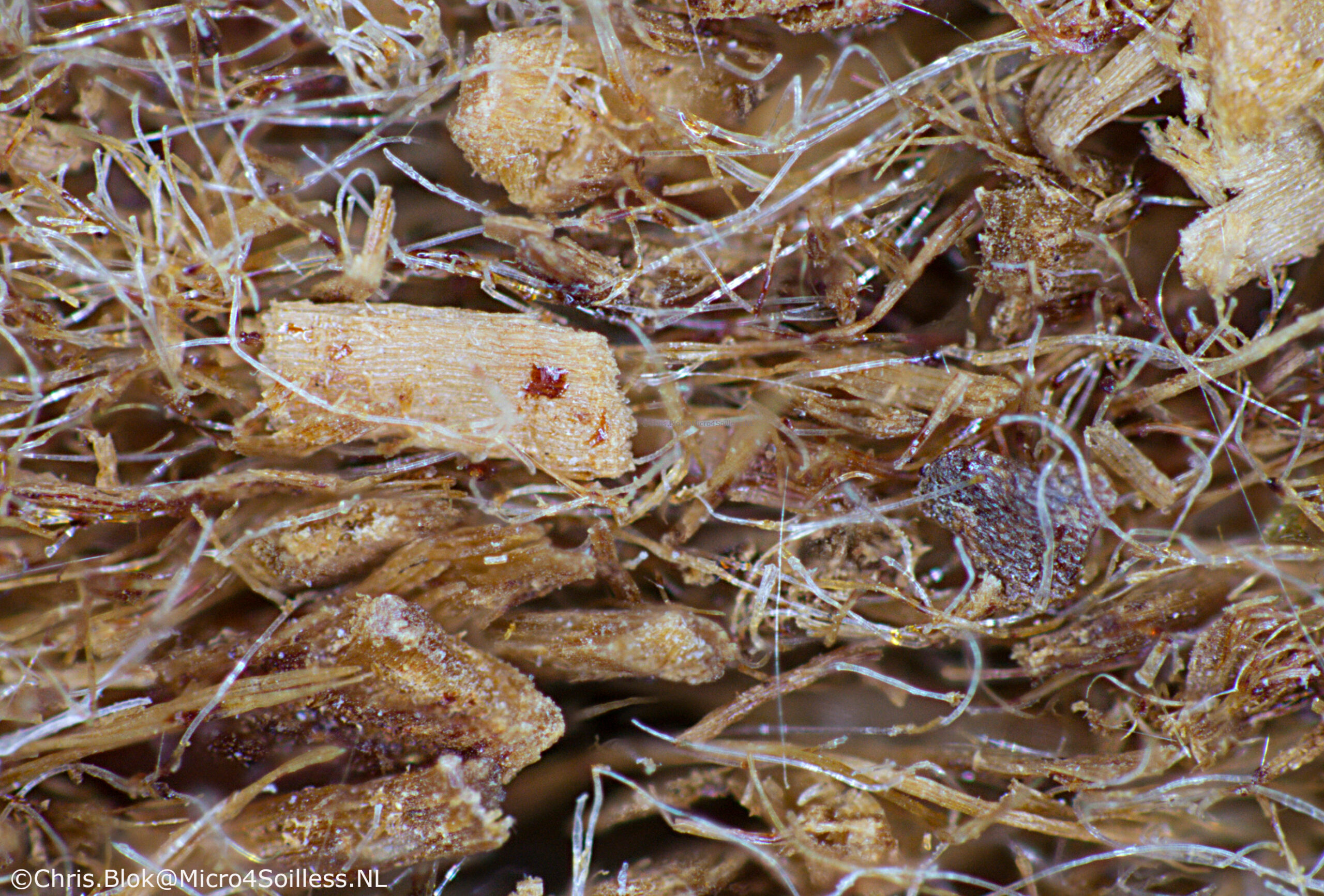
Figure 3: Wood fibre produced by hammer mill technology (mixed with synthetic micro fibre).
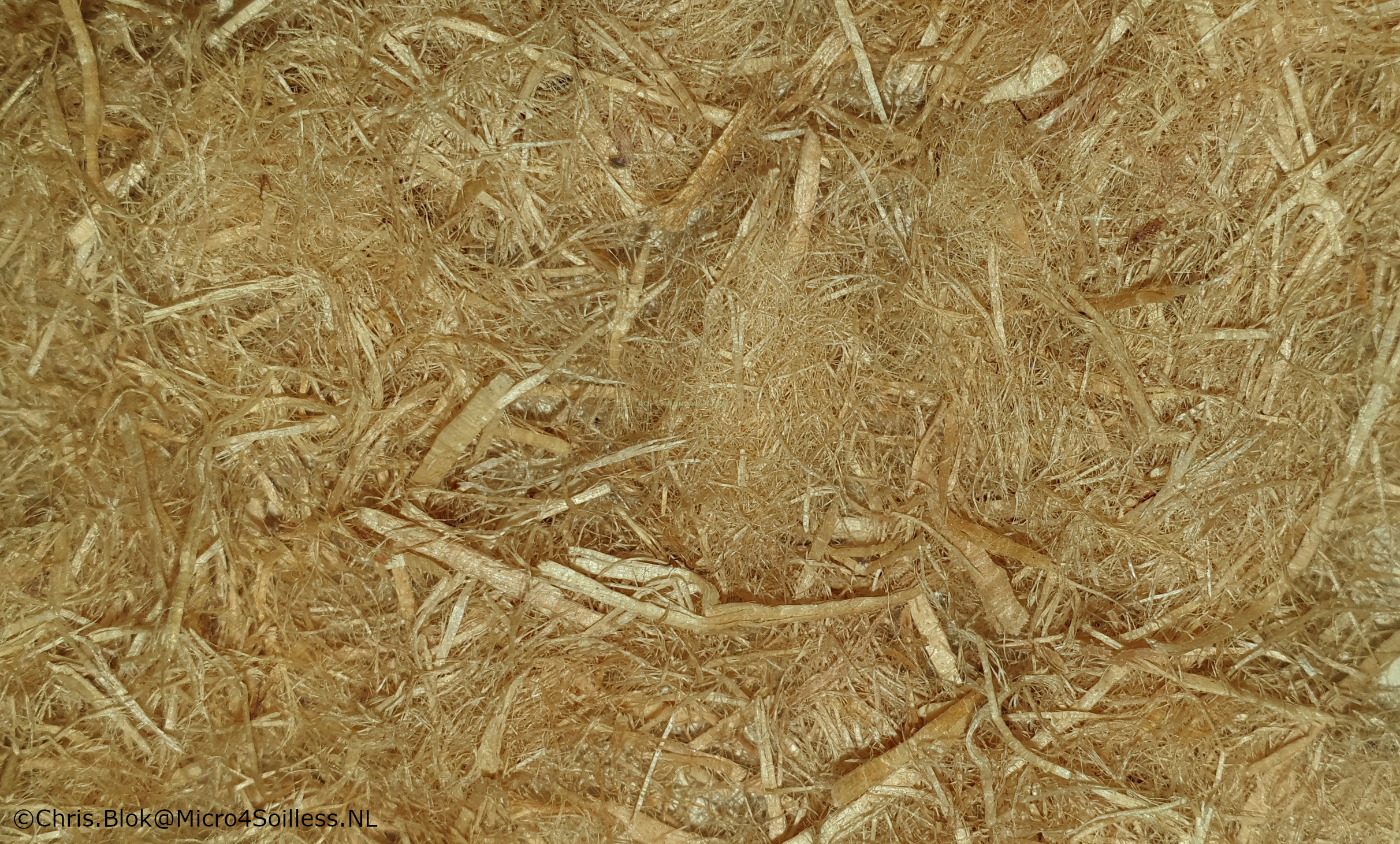
Figure 4: Wood fibre produced by extrusion technology.
Sanitation. Totally germ free wood fibre is not an ideal product as the absence of micro-organisms means fast growing pioneering species have a realistic chance to dominate the material in the first weeks to months. This offers chances for specific plant pathogens who are specialise to grab opportunities (Figure 5) but also favour saprophytic opportunists (Figure 6, 7). Various Basidiomycetes result in mushrooms which are not acceptable in trade (Figure 6) as well as spore production from mushrooms which can affect the aesthetics of leaves which is unacceptable in trade. Also, the abundance of mycelium can make the wood fibre water repellent (Figure 7). Thus, to exclude liability in trade, sanitation is a prerequisite. Possibilities are:
Sanitation. Totally germ free wood fibre is not an ideal product as the absence of micro-organisms means fast growing pioneering species have a realistic chance to dominate the material in the first weeks to months. This offers chances for specific plant pathogens who are specialise to grab opportunities (Figure 5) but also favour saprophytic opportunists (Figure 6, 7). Various Basidiomycetes result in mushrooms which are not acceptable in trade (Figure 6) as well as spore production from mushrooms which can affect the aesthetics of leaves which is unacceptable in trade. Also, the abundance of mycelium can make the wood fibre water repellent (Figure 7). Thus, to exclude liability in trade, sanitation is a prerequisite. Possibilities are:
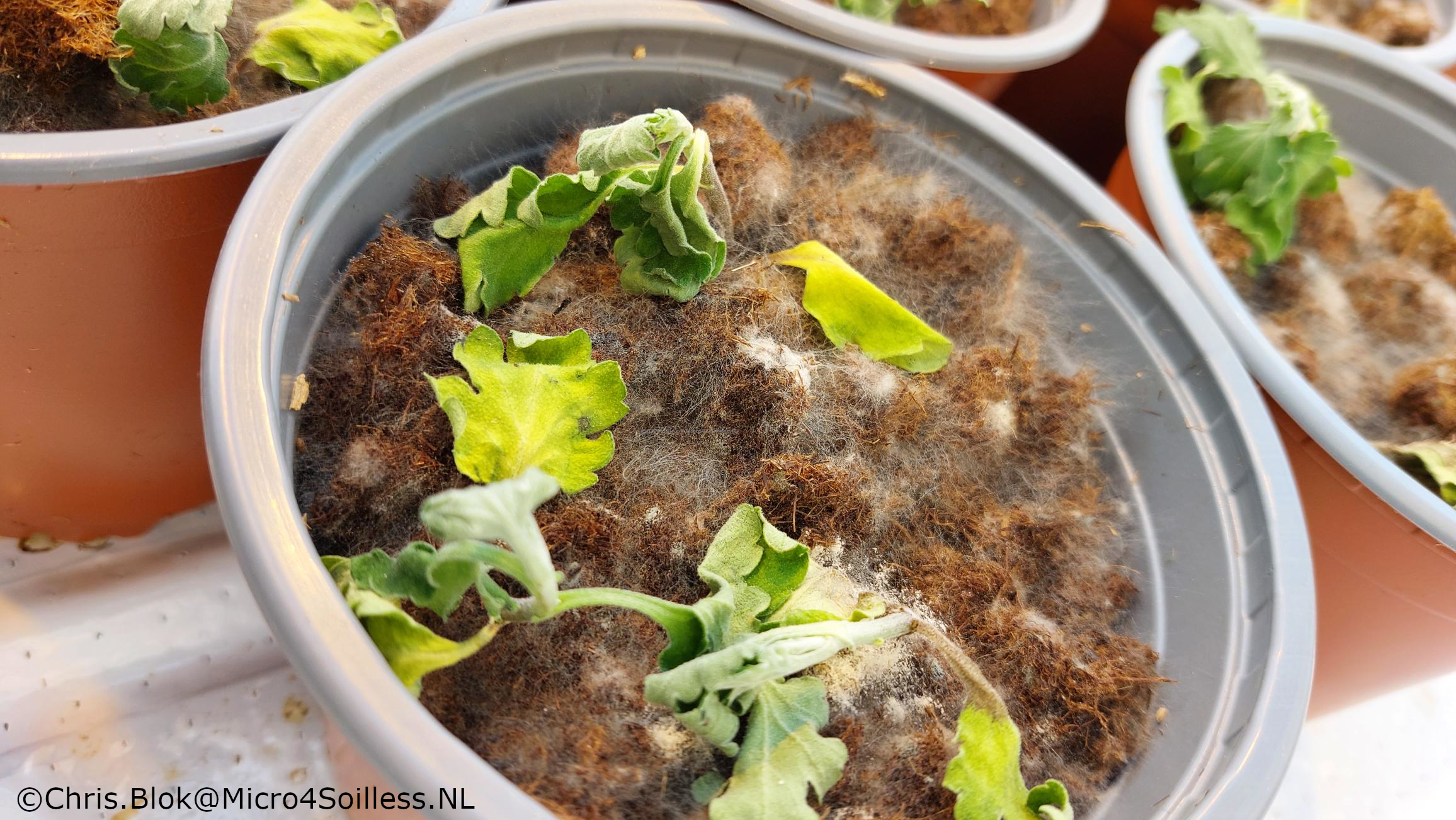
Figure 5. Death of plants by damping off, most likely Pythium related. Independently also growth of visible mycelium related to the use of hemp fibre.
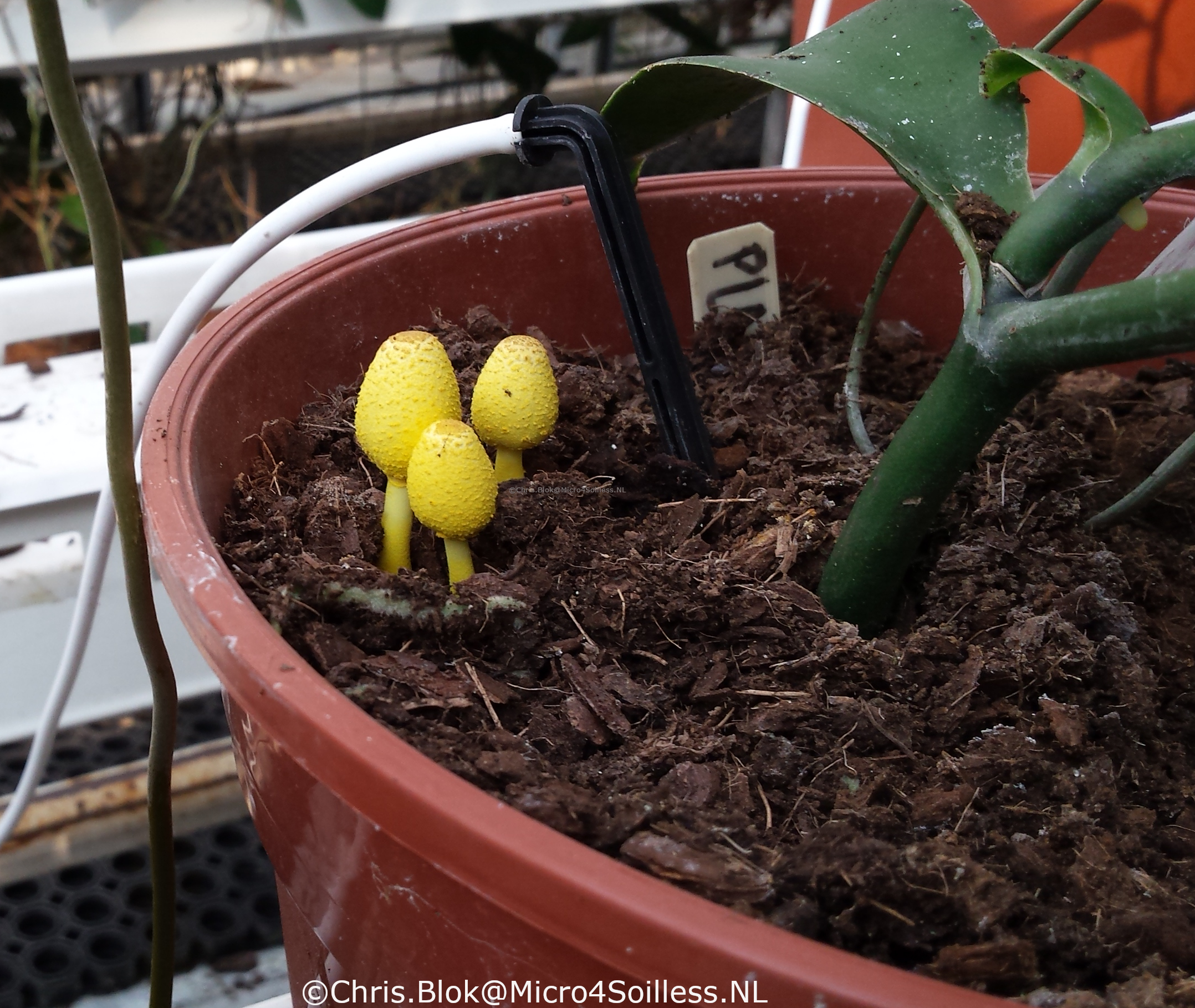
Figure 6. Growth of the yellow mushroom of Leucocoprinus related to coir components in the potting soil mixture.
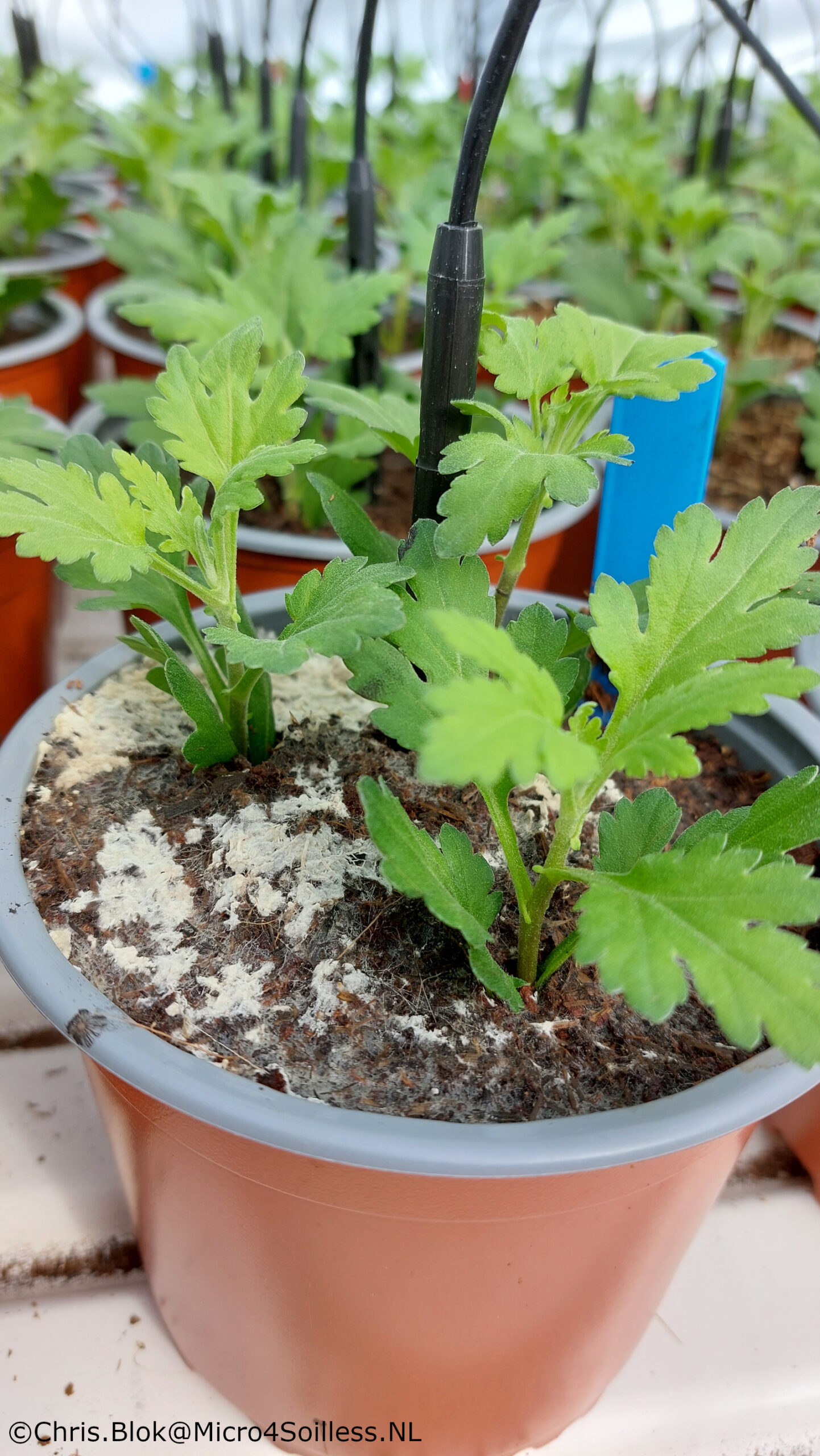
Figure 7. Growth of mycelium and microscopic fungi creating water repellence of the potting soil, related to straw like material in the potting soil mixture.
Pre-treatment. Wood can be cooked, steam sterilised, torrefied (heating in oxygen poor atmosphere). After this further sanitation is not needed provided the machinery is kept clean.
During treatment. When sufficiently moist wood is extruded, the friction energy can easily raise the temperature to levels of 100-120 degrees Celsius. This is sufficient to kill al germs.
Steam explosion. If the friction is sufficiently fast and tense, it is possible the moisture in the wood cells vaporises instantly creating a steam explosion powerful enough to rupture the cell walls. Such wood will hold more water than otherwise treated wood fibres.
Adding heat. As the material already heats up, it is possible to sanitise with a relatively low input of energy.
After treatments.
Co-composting. Mixing a quantity of wood fibre with still to be composted material will ensure a higher temperature over a longer period (Figure 8). This type of sanitation will not result in total sterilisation but is sufficient when temperature – duration requirements are met. Another advantage is the wood fibre is losing some of the most degradable parts although this also means some mass is lost.
Aging. Mixing with already composted material. This makes sense when using already hygienised wood fibre as the wood fibre is thus re-colonised with a diverse microbiome, meant to suppress any colonisation with pathogens and opportunists. Another advantage is the wood fibre is losing some of the most degradable parts although this also means some mass is lost.
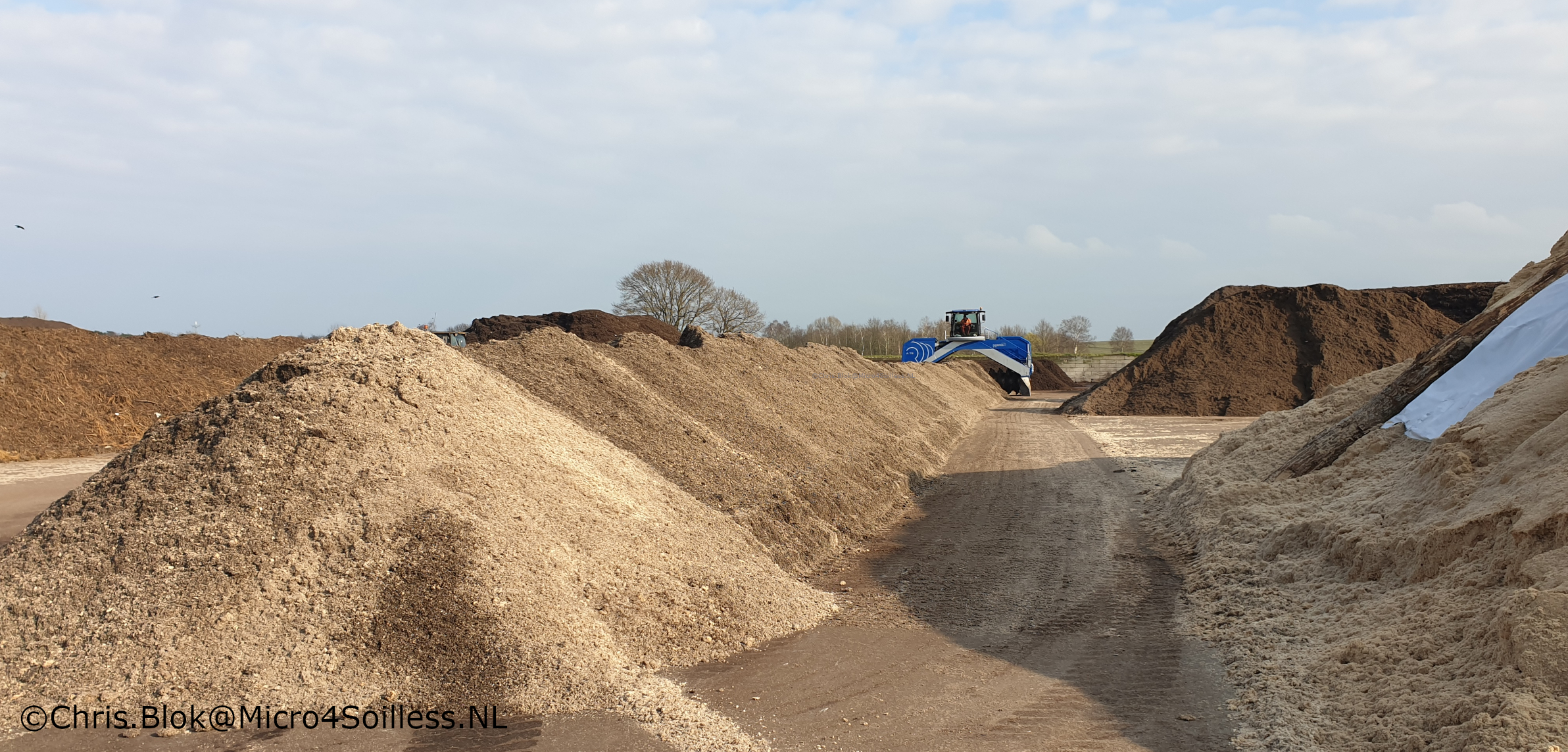
Figure 8. Industrial mixing of wood fibre and compost by a compost turning machine at the back.
Loose wool. Most fibres are meant to be used as one of 2-5 other component in a potting soil mix. Thus it is a raw material in a growing medium (Figure 9). There is a very large variation in the fiberization of the material into thin long fibers (Figure 10).
Pre-formed material. It is possible to process wood fibres into a coherent mass which can be cut into plugs, blocks and slabs for the cultivation of a variety of crops, including herbs, bedding plants, fruit vegetables etc (Figure 2). The machinery to do this is already operational in the production of e/g/ under carpets. The basic machinery is, just as with stone wool production, derived from the textile industry.
Basic layer. The production of the primary layer requires a wind chamber (spinning chamber in stone wool production) in which fibres are blown separate and are gathered on a conveyor belt. This layer can be used as is or can be folded over itself (as with stone wool production).
Binder. It is possible to bind the fibres by spraying a binder into the fibres in the wind
Chamber (Figure 11). When using binder, it is unavoidable to consequently use a curing oven to solidify the binder. The curing requires a lot of energy as the wood is not totally dry. The process can be used to sanitise the wood fibres to varying degrees.
Needling. If the fibres are long enough it is possible to use hooked needles to perforate the product and pull some fibres vertically through the layers, thus binding the product.
Micro fibres. It is possible to mix man-made contractile fibres with the wood fibre in the wind chamber (Figure 12). When heated, these fibres contract, binding the product to a density which can be regulated by the temperature and duration of the heat treatment. Thus when using contractile fibres, it is unavoidable to consequently use a curing oven. These synthetic fibres are to be replaced by biobased and possibly also biodegradable variants.
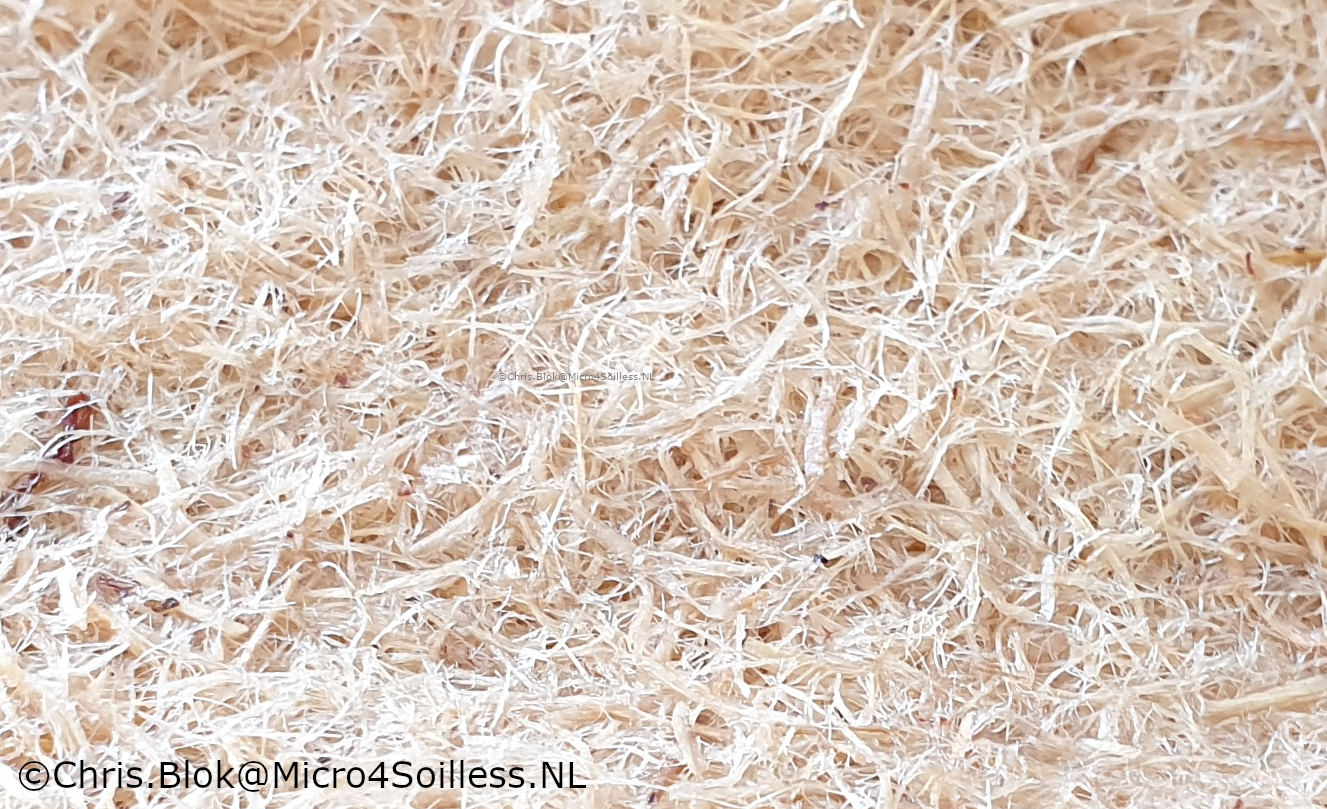
Figure 9. Mass of wood fibres of a fairly average particle size distribution of 2-20 mm long and 0.2-2 mm in diameter.
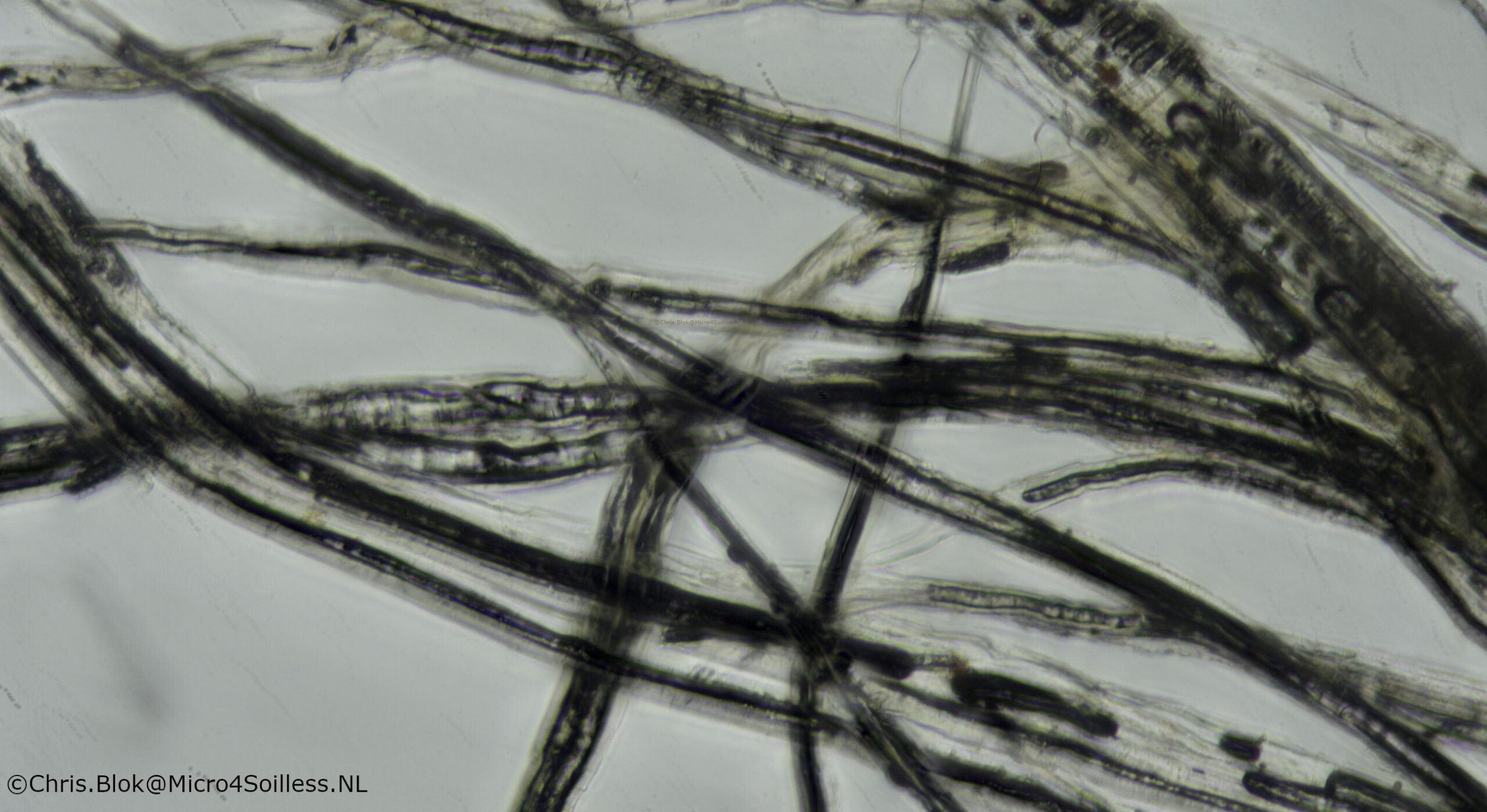
Figure 10. Wood fibres of a very uniform and small particle size distribution of 2-20 mm long and 0.1-0.2 mm in diameter.
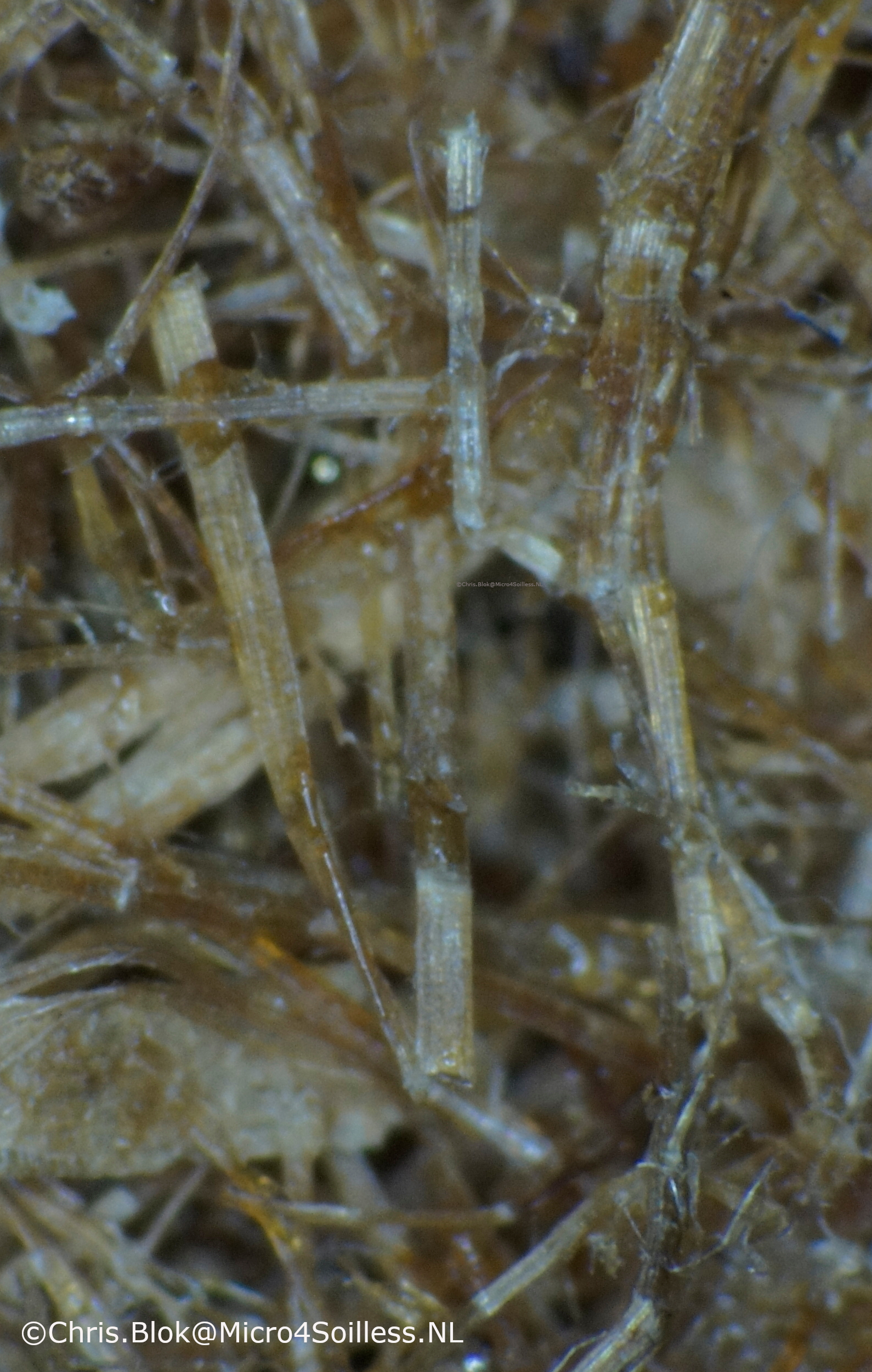
Figure 11. Hemp fibre bound by an organic binder (the dark honeylike blobs).